Category: Tips & Advice

  • Bangers and Mash: The Onion Gravy Makes the Plate

    Bangers and Mash: The Onion Gravy Makes the Plate

    A good banger is most of the plate. But the onion gravy is what people remember. The dish is simple — three components, all easy individually — which is why most home versions feel a little flat. The fix is in the gravy.

    The sausages

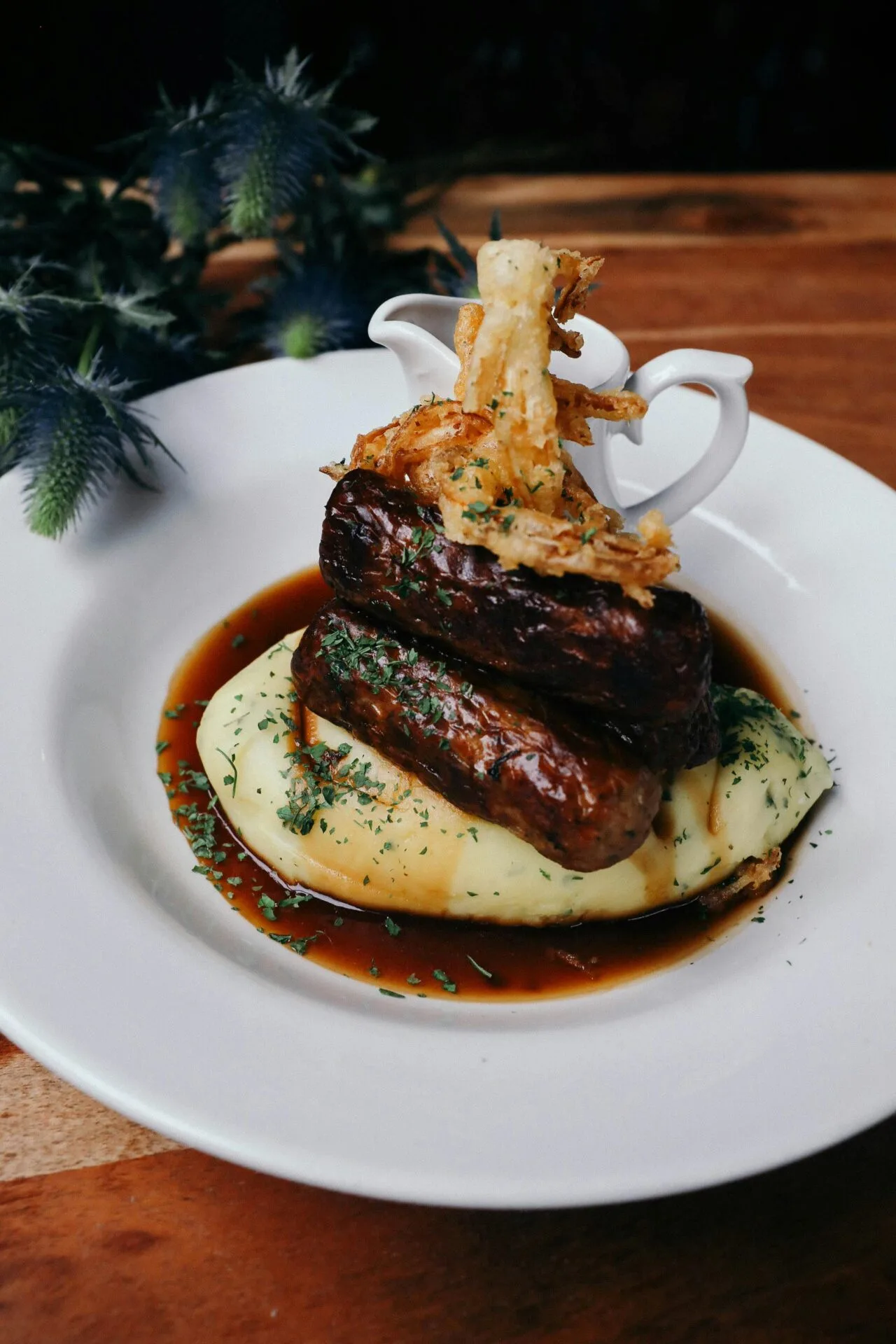
    Cumberland, three per plate. Low heat, dry pan with a little oil, never pricked. You want them browned on every face and just cooked through — about 15 minutes.

    The mash

    Maris Pipers, peeled, simmered until soft. Drain, dry over heat for a moment, then push through a ricer or fine sieve. Beat in warm milk and cold butter — more butter than feels reasonable. Salt to taste. The texture should be smooth enough to pour, but only just.

    The gravy

    This is where most cooks rush. Slice two big onions thinly and cook them in butter, low and slow, for at least twenty-five minutes — until properly caramelised, deep brown, sweet. Stir in a spoon of plain flour, then a glass of brown ale, then good beef stock. Reduce until it coats the back of a spoon. Whisk in another knob of cold butter to finish for shine.

    Plate it tall: mash, sausages on top, gravy poured down the side and over the lot. That is the dish.
  • Pairing Drinks With British Pub Classics

    Pairing Drinks With British Pub Classics

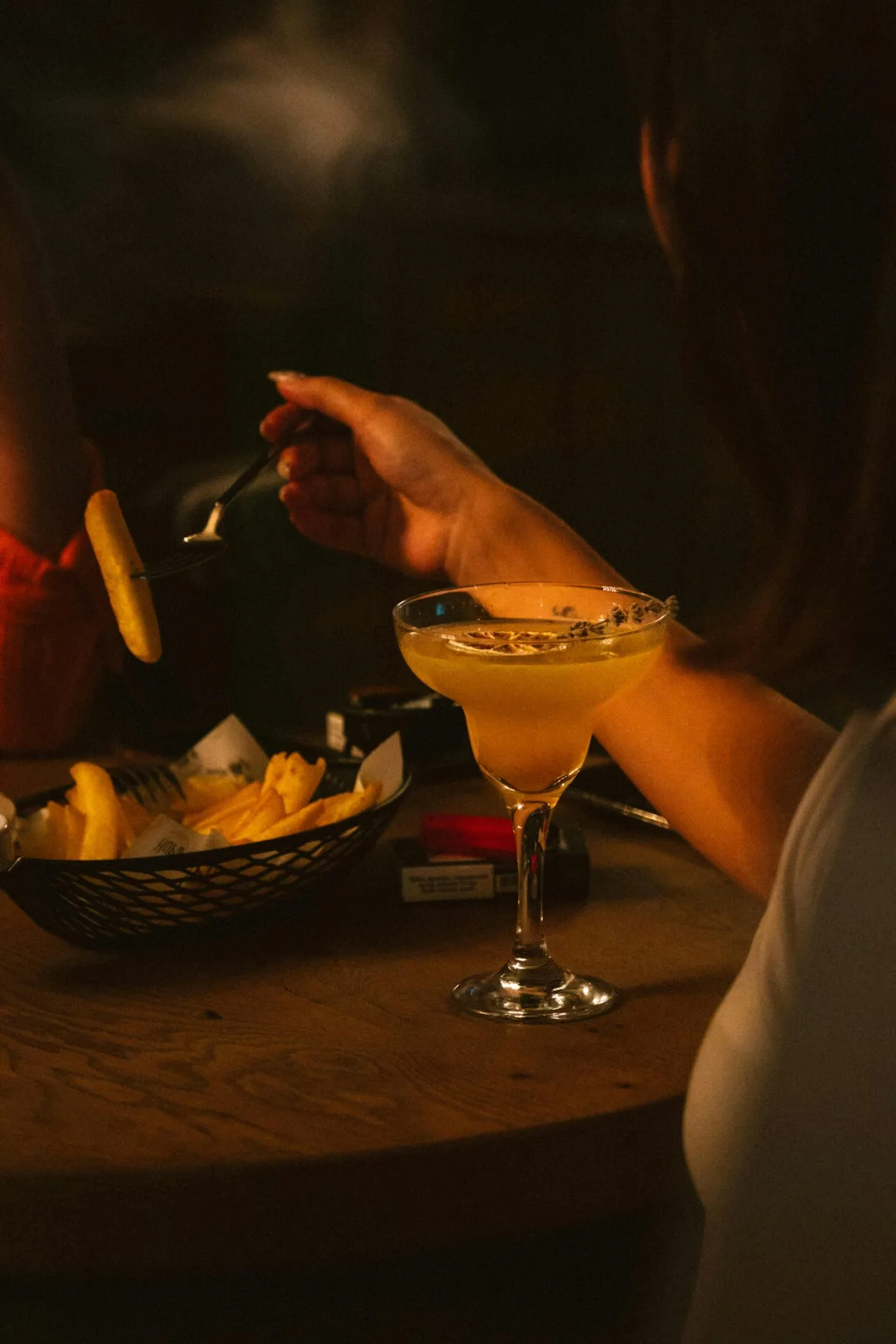
    The wrong drink dulls a great plate. The right one makes the food taste better than it did alone. British pub classics are pretty forgiving, but a few pairings reward thinking about. Here are the matches we lean on at the bar.

    Fish and chips with cold ginger beer

    Beer is the obvious answer, but a fiery non-alcoholic ginger beer cuts through the batter even better. The heat and acid lift the cod and reset the palate between bites.

    Ploughman’s with Pimm’s

    The lunch and the drink share a moment — both shine in summer, both want the sun. The cucumber and mint in a Pimm’s cup keep up with mature cheddar without overpowering pickles.

    Scotch egg with English Garden G&T

    Pork and gin is an underrated match. The botanicals scrub the richness of sausagemeat and the elderflower cuts the deep-fried crumb. Light, herbal, sharp.

    Shepherd’s pie with dark ale

    Stout or porter. The roasted-malt notes pick up on the slow-cooked lamb and gravy. A pale lager would feel thin against the dish.

    Sticky toffee with port

    A small glass of tawny port. Date, raisin, sweet wood. It is, frankly, dangerous.

  • Five Common Mistakes When Making Welsh Rarebit

    Five Common Mistakes When Making Welsh Rarebit

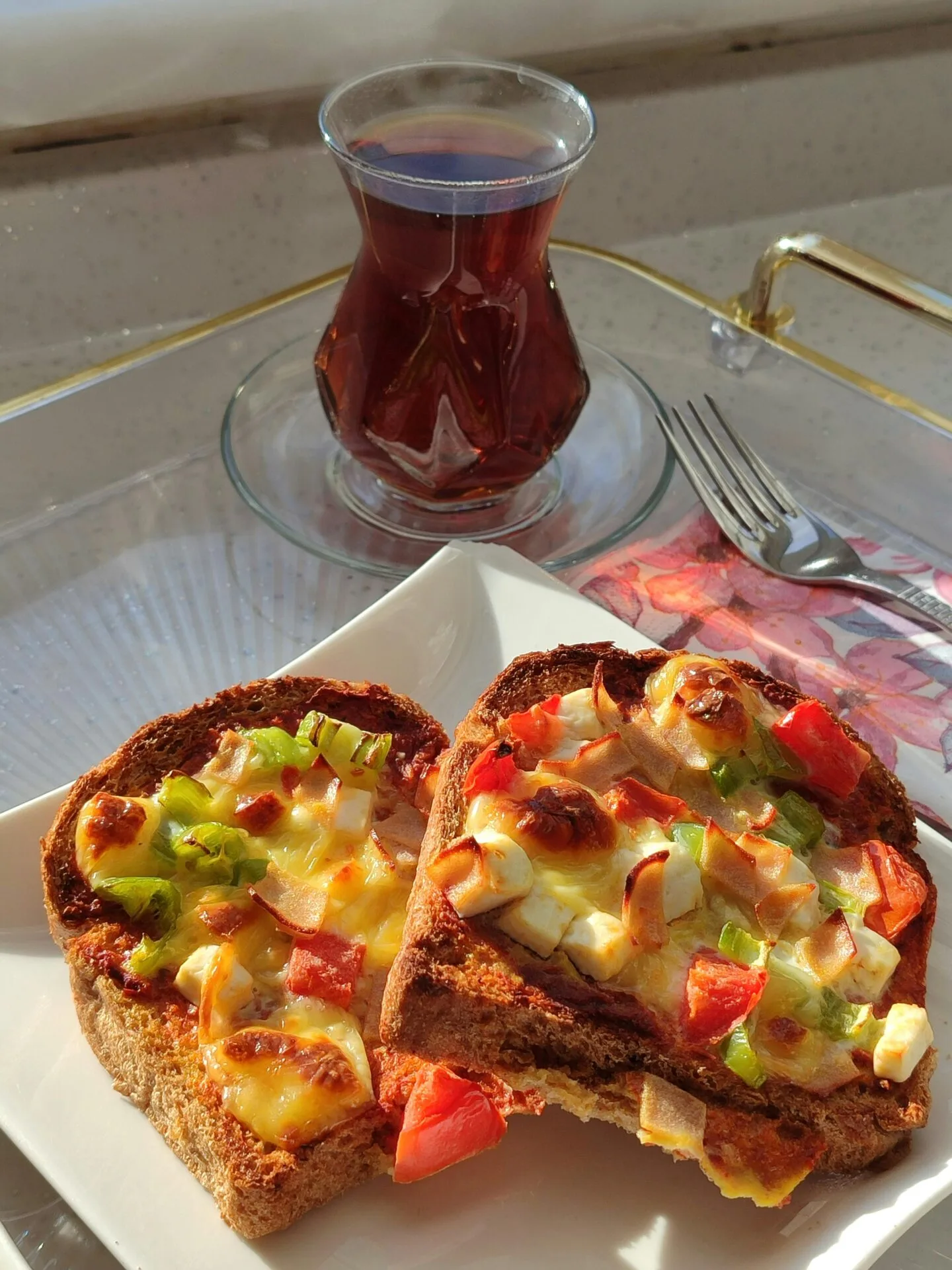
    Welsh rarebit is the most maligned member of the British snack family — usually because most home versions are some sad cousin of cheese on toast. A proper rarebit is glossy, savoury, faintly sharp, and crisp at the edges. Avoid these five mistakes and you are most of the way there.

    1. Bread that is too thin

    Sourdough or a country loaf, sliced no thinner than 1.5cm. Toast it on both sides first. A thin slice cannot carry the topping and goes soggy.

    2. Cold cheese on cold bread

    The mixture should go on warm. Make it on the stove first — never just lay slices of cheese on bread and grill it. The grill is the finish, not the cook.

    3. Too much beer

    A splash, not a glug. The beer should season the cheese, not loosen it. If your topping is pourable, you have gone too far.

    4. Blasting the grill

    High heat, short time, watching the whole way. The moment it bubbles and tans, lift it. A second past that and it splits.

    5. No mustard

    English mustard powder is non-negotiable. It is what cuts the richness of mature cheddar and makes the topping taste like rarebit instead of just hot cheese.