Category: Tutorials

  • Building the Full English: How the Kitchen Times It

    Building the Full English: How the Kitchen Times It

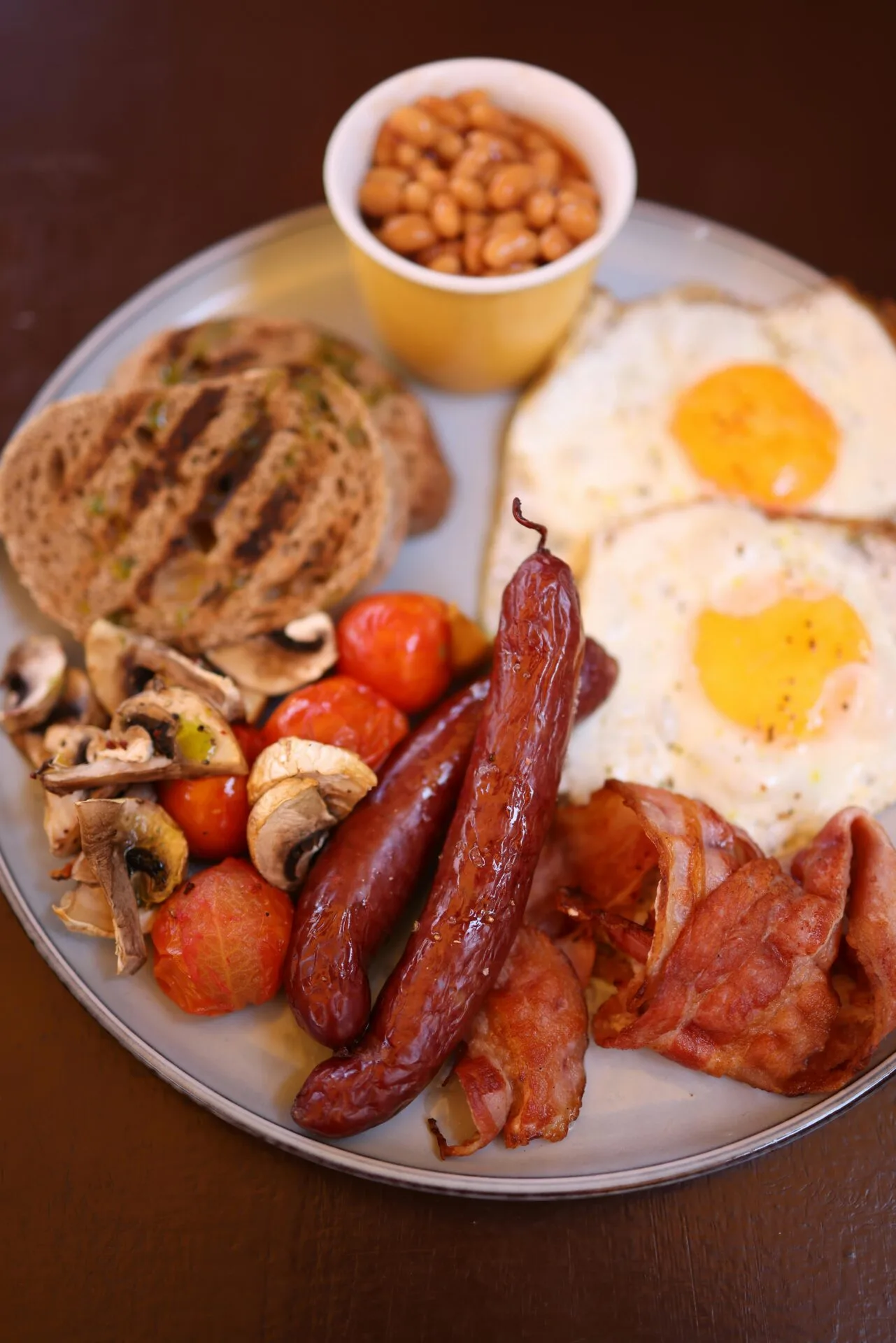
    A Full English is not a recipe — it is a sequence. Cook the components in the right order and they all hit the plate hot. Cook them in the wrong order and you spend the meal apologising to the eggs. Here is how the kitchen times it.

    First: tomato and mushroom

    The slowest pieces. Halve a ripe tomato, season the cut side, and put it cut-side down in the pan with a little butter. Field mushrooms alongside, also butter. Both want time and gentle heat to soften and concentrate.

    Then: the sausages

    Cumberland or a good butcher’s banger. Don’t prick them. Cook them low and slow until properly browned all over — about 12 minutes. Move them to the warm side of the pan when done.

    Late: bacon

    Back bacon, dry-cured. Once the sausages are mostly there, lay the bacon in. It cooks fast and renders fat the eggs need.

    Last: the eggs

    Crack the eggs straight into the bacon-and-sausage fat. Spoon the hot fat over the whites until they set. Yolks runny. By now the toast is buttered, the beans are warmed, and the plate is warmed too.

    Brown sauce on the side. Always.
  • Master the Yorkshire Pudding

    Master the Yorkshire Pudding

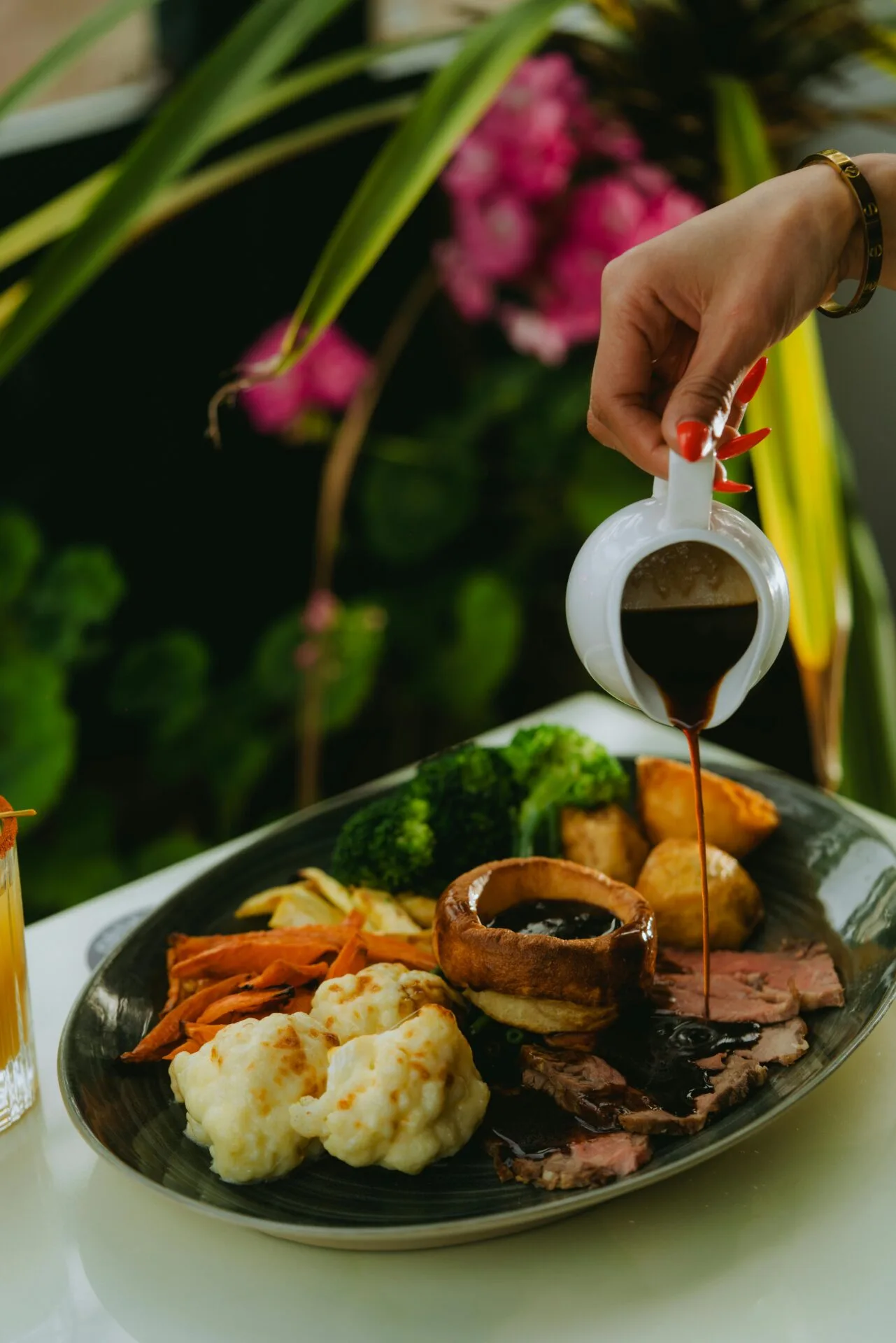
    A proper Yorkshire pudding is the Sunday plate’s biggest piece of theatre — risen tall, golden, hollow in the centre, ready to catch gravy. Get it wrong and you have a sad pancake at the side of the meat. The good news is that there are only three habits to get right.

    Rest the batter

    Equal parts plain flour, eggs, and milk by volume — measure with a jug, not weights. Whisk smooth, season, and rest. Overnight in the fridge is best; an hour at room temperature is the absolute minimum. The rest lets the gluten relax and the starch hydrate. You are rewarded with a taller rise.

    Smoking-hot fat

    Beef dripping in a tin, in a hot oven (220°C), until it shimmers and just barely smokes. The batter must hit hot fat on contact — that is what causes the explosive rise. Pour it in fast and shut the oven door immediately.

    Don’t open the door

    The single most common mistake. The pudding rises on steam — open the door early and the pudding collapses. Wait at least 20 minutes, then check through the glass. Out of the oven, serve immediately. They wait for nothing.

  • Why Triple-Cooked Chips Beat Anything Else

    Why Triple-Cooked Chips Beat Anything Else

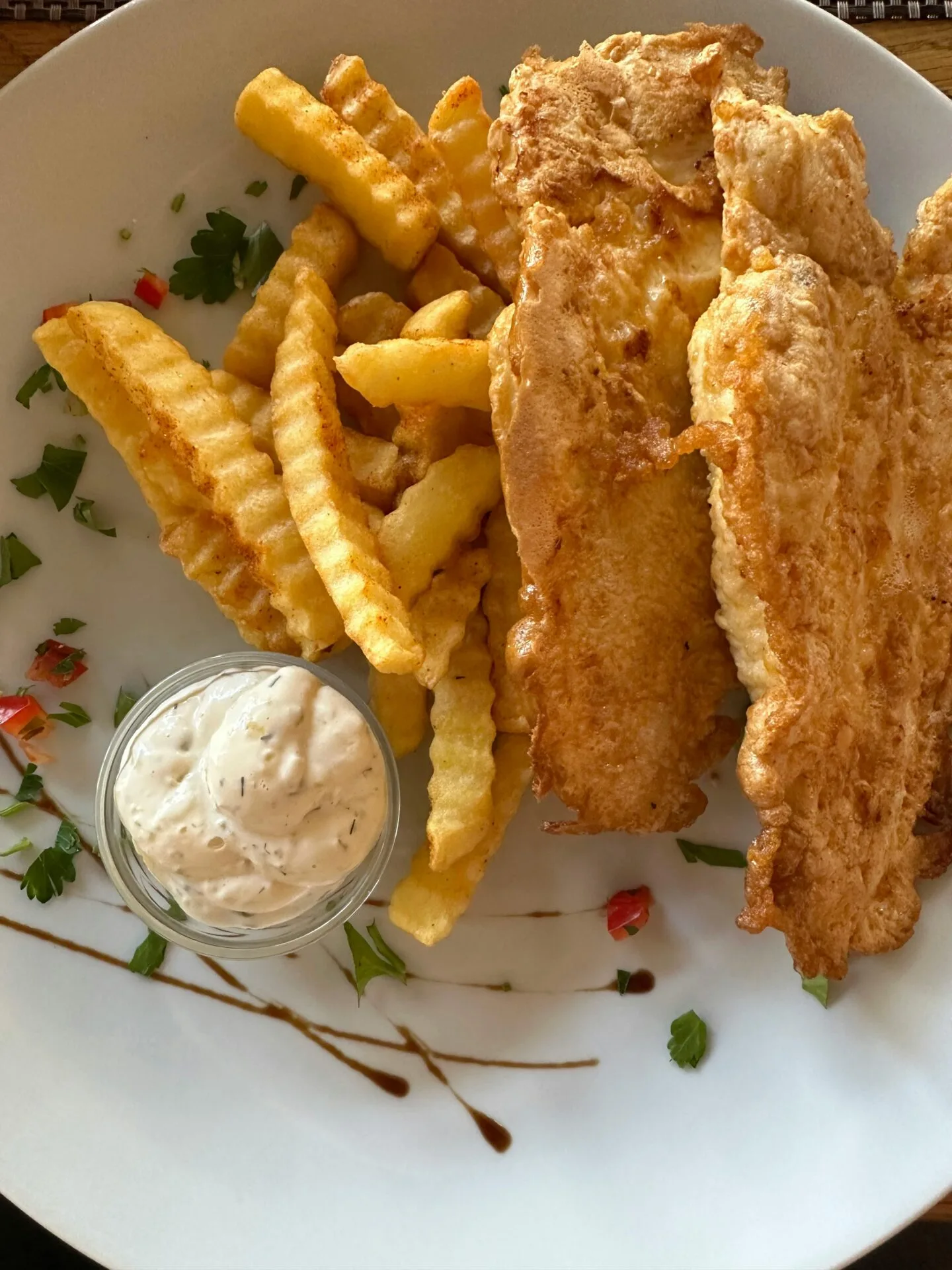
    A great chip is three things at once: glassy on the outside, fluffy on the inside, and seasoned the moment it lands on the plate. The triple-cook method is the most reliable way to get all three. It is more work than a single fry. It is also why ours stay crisp from the first chip to the last.

    Stage one: the simmer

    Cut your potatoes thick — Maris Piper or King Edward, peeled, into 1.5cm batons. Drop them into cold salted water, bring to a gentle simmer, and cook until you can just push a knife through. They will feel barely held together. Drain carefully and let them steam-dry on a rack.

    Stage two: the cool

    Once cool, fry them at a low heat (around 130°C) until pale and dry on the surface. Drain. Now the part most people skip — chill them, ideally freeze them flat for an hour. The cold dries the surface even more and sets the structure for the final fry.

    Stage three: the fry

    Hot oil, 190°C. Drop the chilled chips in and fry until deep gold and audibly crisp. Lift, drain, and salt the moment they leave the oil — flake salt, while they are still steaming. Serve immediately. A triple-cooked chip waits for no one.