Category: Recipes

  • A Ploughman’s Lunch, Properly Done

    A Ploughman’s Lunch, Properly Done

    A Ploughman’s is an assembly, not a recipe — but assembly has rules. Done well, it is one of the most satisfying lunches in the British canon. Done badly, it is a sandwich-shop cheese plate. Here is how we put one together.

    Three cheeses, three roles

    One mature — a proper cloth-bound cheddar, the kind that crumbles. One creamy — a Tunworth, a Baron Bigod, or a wedge of brie. One strong — Stilton, Stichelton, or Roquefort if you must. Three is the right number; less feels mean, more feels indecisive.

    The bread

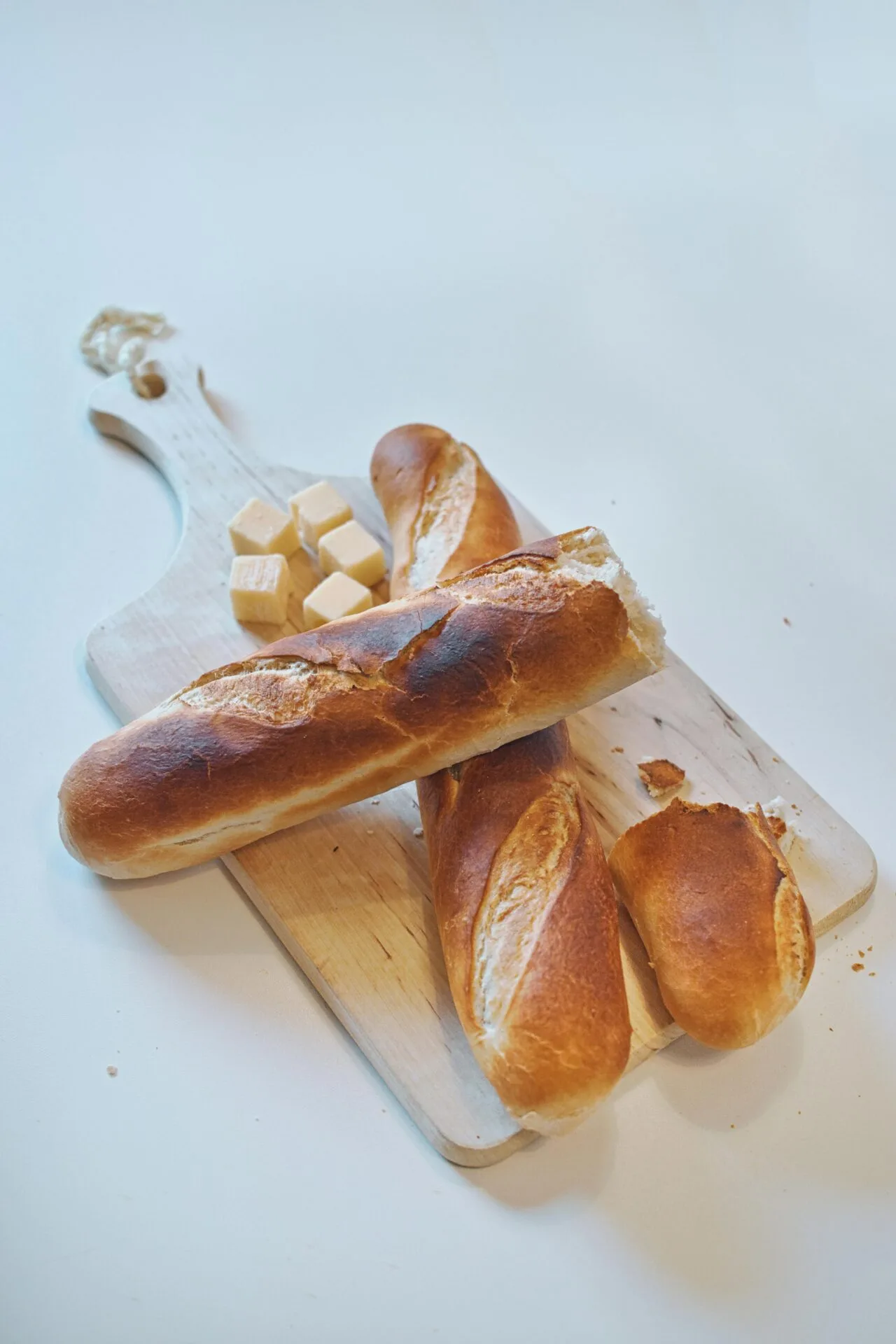
    Crusty, sliced thick. A country loaf or a good bloomer. Butter, salted, at room temperature. Don’t pre-butter — give people the slab and the knife.

    The pickles

    Branston is non-negotiable. Pickled onions — proper malt-vinegar ones, not balsamic substitutes. Piccalilli for colour and bite. A good chutney to go with the cheddar.

    The extras

    A wedge of crisp apple. A slice of pork pie or some good ham. A few cornichons if you have them. Salt and cracked pepper for the radishes.

    Serve on a board with a knife sharp enough to cut the cheese. A pint of bitter is the right drink. So is a Pimm’s. So is silence.

  • The Quiet Art of the Scotch Egg

    The Quiet Art of the Scotch Egg

    The Scotch egg is judged on its yolk. A grainy, fully-cooked centre is a failure. A jammy, just-set yolk that runs slightly when sliced is the pass mark. Everything else — the meat, the crumb, the fry — is in service of getting that yolk right.

    The egg

    Burford Brown or another large, fresh egg. From a rolling boil, exactly six minutes, then straight into iced water. Peel under cold running water — the chill keeps the yolk soft and the whites firm enough to hold the meat.

    The wrap

    Outdoor-bred pork sausagemeat, seasoned with mace, white pepper, and a little chopped sage. Keep it cold. Press a portion thin on cling film, place the egg in the centre, lift the edges and seal. No air pockets, no thin spots. Egg-wash, then panko, then egg-wash, then panko again — a double crumb crisps up much better.

    The fry

    180°C oil, deep enough to fully submerge. Six to seven minutes. The crumb should be deep gold and the meat cooked through without overshooting the yolk. Lift, drain, rest five minutes. Slice with a serrated knife to show off the centre.

    Serve warm with piccalilli or English mustard. The yolk does the talking.

  • The Sticky Toffee Pudding That Never Fails

    The Sticky Toffee Pudding That Never Fails

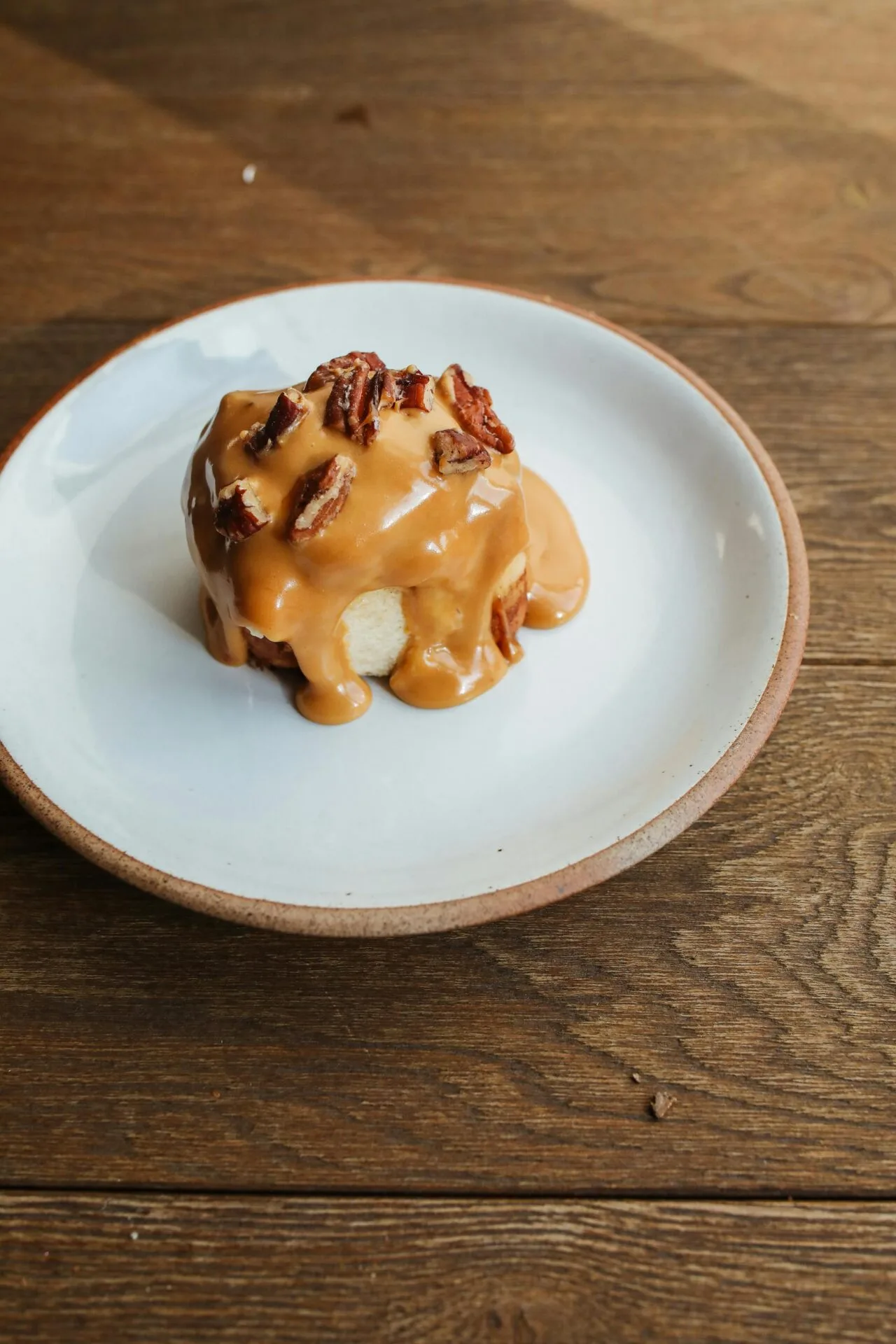
    Sticky toffee pudding is one of the simplest puddings in the British repertoire — and one of the easiest to ruin. Dry sponge, thin sauce, refrigerated leftovers that taste like cardboard. Avoiding all three takes only a little care.

    The dates do the work

    Use Medjool dates, stones removed, soaked in just-boiled black tea with a pinch of bicarbonate of soda. Twenty minutes of soaking softens them and the bicarb breaks down the skins. Blitz to a paste. This is what gives the pudding its dark, almost caramel character.

    Don’t overmix

    Cream butter and dark muscovado sugar, beat in eggs, fold in the date paste, then the flour. The moment the flour disappears, stop. Overmixing is what gives you a tough, dense crumb. The texture you want is loose and almost wet.

    The sauce, twice

    Butter, dark brown sugar, double cream — equal weights, melted together, simmered until glossy. Pour half over the pudding while it is still hot from the oven. Reserve the rest, warm, to pour at the table. Don’t refrigerate. Sticky toffee pudding is not a pudding that improves overnight.

  • The Anatomy of a Perfect Beef Wellington

    The Anatomy of a Perfect Beef Wellington

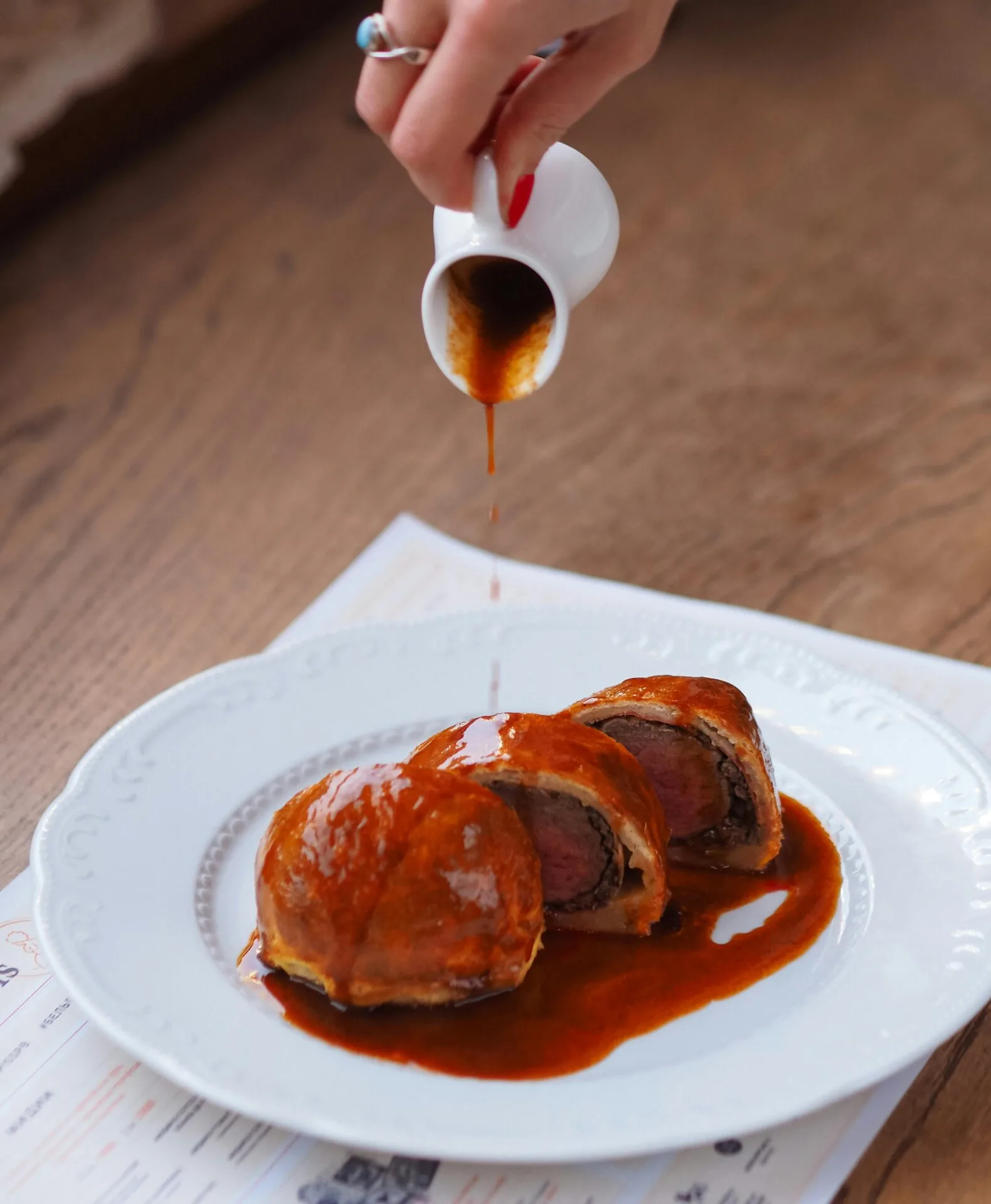
    Beef Wellington is a centrepiece dish, and like all centrepieces it lives or dies on its construction. Get the layers right and it eats like ceremony — pink beef, savoury mushroom, salted ham, glassy pastry. Get them wrong and it eats like a steak in a bag.

    This is how we build ours, layer by layer.

    The fillet

    Trim and sear hard on every face. The point isn’t to cook the beef — it’s to colour the outside and dry the surface so the duxelles has something to grip onto. Then chill it. A warm fillet sweats inside the pastry and turns the whole thing soggy.

    The duxelles

    Mushrooms, finely chopped, cooked slowly in butter until every drop of moisture has gone. This is non-negotiable. A wet duxelles will steam the pastry from the inside.

    The wrap

    Lay Parma ham on cling film, spread the cooled duxelles over it, place the chilled fillet on top. Roll tight, twist the ends, refrigerate for an hour. The ham seals the meat from the pastry.

    The pastry

    Cold puff pastry, rolled thin enough to hug but not so thin it tears. Single egg wash. Score the top — for steam and for looks. Bake hot, fast, and rest before slicing.

    Serve with truffle mash, seasonal greens, and a glossy red wine jus. There is no shortcut for any of these steps. There is only the work.